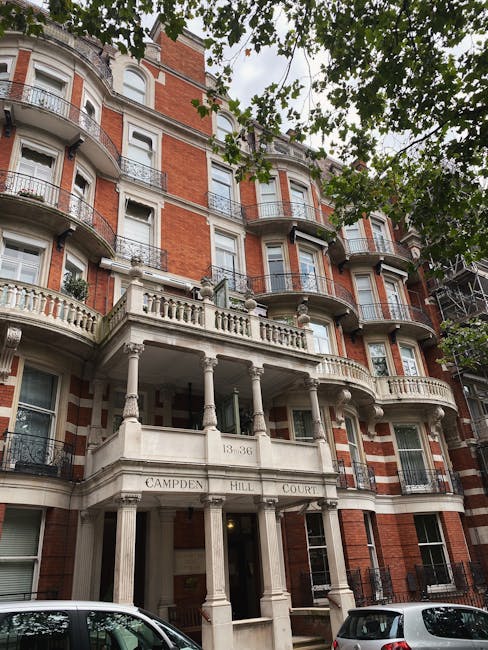
Urgent Flood Response in Notting Hill: Same-Day Cleaners
Posted on 06/05/2026
When water gets into a home, flat, shop, or office in Notting Hill, the clock starts running immediately. Carpets can soak through, wooden floors can lift, skirting boards can swell, and that damp smell arrives faster than most people expect. If you are dealing with an overflow, a burst pipe, a leaking appliance, or heavy rain pushing water where it should not go, Urgent Flood Response in Notting Hill: Same-Day Cleaners is about getting the space stabilised quickly and properly.
This guide walks you through what same-day flood cleaning actually involves, why timing matters, how the process works, and what a sensible next step looks like in a real Notting Hill property. It also covers common mistakes, practical checklists, and the trust signals you should look for before anyone starts work. Truth be told, flood damage rarely waits for a convenient hour.
If you want a broader look at the local cleaning landscape, you may also find the services overview useful, especially if the flood has affected more than one room or you need follow-up cleaning after the initial emergency response.
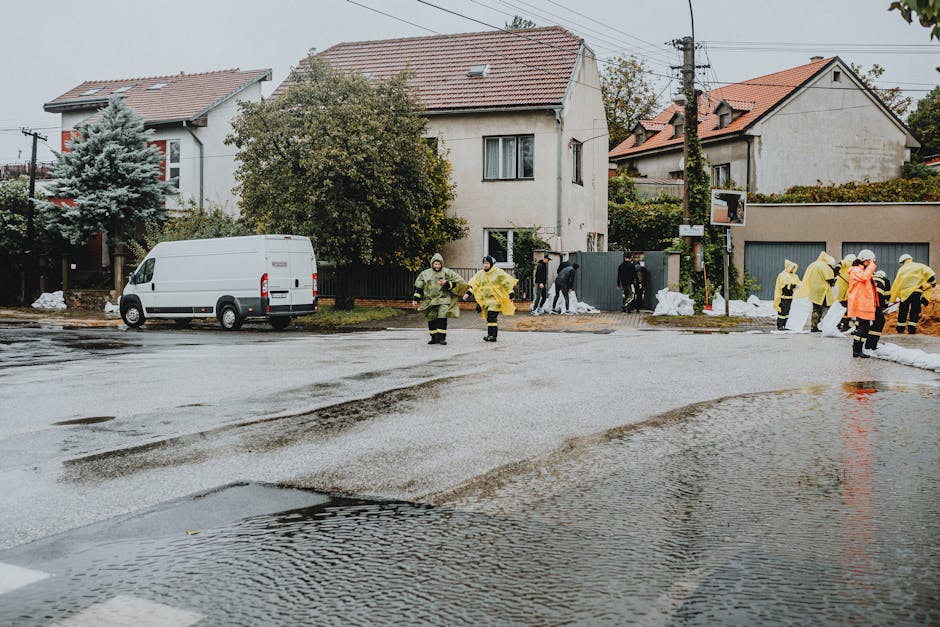
Why Urgent Flood Response in Notting Hill: Same-Day Cleaners Matters
Flooding is one of those situations where delay quietly makes everything worse. A small amount of standing water can spread under furniture, creep into underlay, and sit unseen in corners or wall edges. By the time the surface looks "mostly fine", moisture may already be travelling deeper into materials. That is why an urgent response matters so much.
In a place like Notting Hill, properties often have mixed flooring, older features, basement levels, shared corridors, and tightly packed living spaces. Water does not need much encouragement. It can move quickly into timber, carpets, storage areas, and electrical-adjacent spaces. Same-day cleaners help limit the chain reaction: visible water, hidden moisture, odour, staining, and secondary damage.
There is also a practical human side to this. If you are trying to work, look after children, manage a rental, or keep a business open, even a "small" flood can throw off the day completely. A fast response restores a bit of order. Not perfect. But better, and often much better.
Practical takeaway: the goal of same-day flood response is not just to mop up water. It is to reduce damage, prevent lingering damp, and make the space safe enough for proper drying and follow-up cleaning.
For landlords, letting agents, and tenants, that can be especially important during a move or handover. If you are dealing with a tighter turnaround in a nearby flat, the quick turnaround clean checklist for Ladbroke Grove flats offers a useful sense of how time-sensitive local cleaning jobs are often handled.
How Urgent Flood Response in Notting Hill: Same-Day Cleaners Works
Same-day flood cleaning usually follows a simple but disciplined sequence. It is part cleaning, part risk reduction, part careful inspection. The best teams do not rush blindly. They move quickly, yes, but they also look for the source, the spread, and the materials involved.
1. Initial assessment
The first job is to work out what kind of water is involved. Clean water from a supply line is one thing. Grey water from appliances is more complicated. If sewage contamination is suspected, that changes the approach completely. A good cleaner will ask what happened, where the water came from, how long it has been there, and which rooms are affected.
2. Make the area safer
Before cleaning begins, the area needs to be checked for obvious hazards. Wet floors are slippery. Saturated carpets can hide trip risks. Electrical items near the affected zone may need to be isolated or moved only if safe to do so. If you are not sure, leave it. Better safe than sorry, as they say.
3. Water removal and surface extraction
Standing water is removed first. Depending on the scale of the problem, that may involve manual extraction, wet vacuums, or other suitable cleaning equipment. The aim is to reduce the amount of moisture left behind so the drying stage becomes effective, not endless.
4. Cleaning and disinfection where appropriate
Once the bulk water is gone, affected surfaces are cleaned. If the source of the flood makes contamination likely, the cleaner may use appropriate disinfecting methods on hard surfaces. Soft furnishings and carpets need more careful treatment because the wrong approach can set stains or damage fibres. Carpet care is a special case, and if the flood has reached flooring broadly, the carpet cleaning service in Notting Hill is a logical follow-up reference point.
5. Drying support and monitoring
Drying is not just "leave a window open". Airflow, temperature, material type, and the amount of water all affect the drying time. Same-day cleaners often help reduce moisture levels before leaving, then advise on follow-up ventilation or specialist drying if needed.
6. Final inspection and next steps
Before finishing, the cleaner should identify any areas that still feel damp, note damage that may need repair, and explain what the client should monitor over the next day or two. That part matters. A lot. Floods can be sneaky.
Key Benefits and Practical Advantages
The value of urgent flood cleaning is not just speed. It is speed with purpose. You want the right actions in the right order, because once moisture settles in, the costs can rise in a hurry.
- Reduced spread of damage: fast extraction helps limit how far water travels into floors, furniture, and joins.
- Lower odour risk: stagnant moisture is the main reason damp smells linger for days.
- Better protection for soft furnishings: carpets, upholstery, and curtains can sometimes be saved if treated early enough.
- Safer conditions: wet areas become slip risks, especially in hallways and entry points.
- Less disruption: same-day response can help tenants stay in place, keep staff working, or support faster reoccupation.
- Clearer next-step planning: once the area is stabilised, it becomes easier to decide whether deeper drying, repairs, or specialist cleaning is needed.
A quieter benefit is peace of mind. That sounds soft, but it is real. When you have water where it should not be, the mess is only half the problem. The uncertainty is the other half.
If the flooding has affected a domestic interior and you know the space will need a more thorough reset afterward, domestic cleaning in Notting Hill can be a natural next stage once the emergency has passed. For larger homes or full-property resets, house cleaning support may be more appropriate.
Who This Is For and When It Makes Sense
Urgent flood cleaning is useful for more people than you might think. It is not only for dramatic ceiling leaks or dramatic scenes with buckets and towels everywhere. Sometimes it is the smaller things that catch people out.
- Homeowners: especially where carpets, timber floors, or storage spaces are affected.
- Tenants: if a burst pipe, overflowing appliance, or shared building issue has caused water ingress.
- Landlords and agents: where quick action helps protect the property and prepare for inspection or re-letting.
- Shops and small businesses: where a wet floor or stock area can affect trading straight away.
- Offices: if the flood has reached communal spaces, storage cupboards, or carpeted working areas.
It makes sense when the water has spread beyond what you can comfortably manage with household towels and a fan. It also makes sense when the source of the water is not fully clear, because guessing is rarely a great strategy here.
For office settings, a structured follow-up can be helpful after the initial emergency work. The office cleaning page for Notting Hill is relevant if desks, communal floors, or shared facilities need a proper reset after the incident.
Step-by-Step Guidance
If you are in the middle of a flood situation, here is a calm, sensible sequence to follow. Nothing fancy. Just the basics done properly.
- Stop the source if you safely can. If it is a burst pipe or appliance leak, turn off the water supply only if you know where it is and can reach it safely.
- Protect people first. Keep children and pets away from the wet area. Avoid walking through standing water unless there is no alternative.
- Move valuables and light furniture. Lift items onto dry surfaces if the room is safe to enter. Do not strain yourself trying to save everything in one go.
- Photograph the damage. This can help with insurance or landlord discussions later. Take clear pictures before much is moved around.
- Contact a same-day cleaner. Explain the source of the water, the size of the affected area, and what flooring or materials are involved.
- Ventilate sensibly. Open windows if weather and security allow, but remember ventilation alone will not fix soaked materials.
- Follow the cleaner's drying advice. They may recommend keeping furniture off the floor, using airflow carefully, or checking for lingering moisture.
- Monitor for changes. A musty smell, new stains, swelling wood, or recurring damp patches mean the problem may not be fully resolved.
A small but important detail: if a flood happens in a property you are buying or just moving into, the timing can get awkward fast. In those cases, local property and move-in planning articles such as the ultimate guide to buying property in Notting Hill and the Notting Hill home buying process can help you think through where cleaning responsibilities and timing might sit.
Expert Tips for Better Results
Flood response gets much easier when you avoid the tiny mistakes that make big messes linger. A few practical habits go a long way.
- Act before the smell starts. That damp odour is usually a sign moisture has settled, not just a warning.
- Check under furniture and along edges. Water likes to hide there. Sneaky stuff.
- Be careful with carpet underlay. Even when the top feels dry, the layers underneath may still be wet.
- Keep records of what happened. Short notes, pictures, and timings can be useful if you need to discuss the issue later.
- Choose cleaning methods by material. What works on tiles may harm wood, fabric, or plaster.
- Ask how drying will be assessed. A proper response is not just visual; it should account for lingering moisture.
One practical observation from many urgent jobs: people often focus on the floor and forget the nearby furniture. Chair legs, sofa bases, rug padding, and storage boxes can all hold moisture for longer than expected. It is a bit annoying, but there it is.
If the flood happened after an event, a party, or a busy gathering, you may also need to think about spill-related residue and mixed messes. In that case, the local context around Notting Hill party venues and social spaces can be relevant when planning a post-event clean-up that is more than just water extraction.
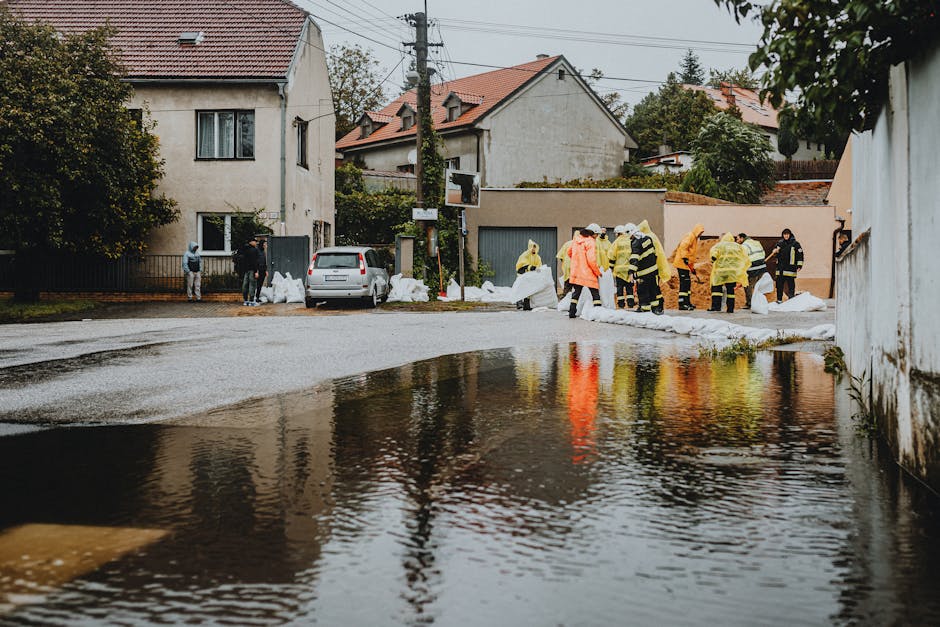
Common Mistakes to Avoid
A rushed response is understandable. Still, some habits make recovery harder.
- Waiting to see if it dries on its own: this is one of the most expensive delays.
- Using too much heat too quickly: this can warp materials or drive moisture unevenly into surfaces.
- Scrubbing stained wet carpet immediately: that can push contamination deeper or spread the stain.
- Ignoring hidden areas: under cabinets, beside skirting boards, and behind furniture are easy to miss.
- Mixing up cleaning and drying: they are related, but not the same thing.
- Assuming all flood water is the same: the source matters. Quite a lot, actually.
Another mistake is overcommitting to DIY when the area is more affected than first appears. If the water has entered multiple rooms, touched electrical risks, or soaked into carpets and underlay, a same-day professional response is usually the safer and calmer move.
Tools, Resources and Recommendations
You do not need a van full of industrial kit to understand flood response, but it helps to know what good practitioners typically use and why.
| Method or Tool | What It Helps With | Best Used When |
|---|---|---|
| Wet vacuum or extraction equipment | Removing standing water and reducing surface moisture | There is visible pooling or soaked carpet surfaces |
| Microfibre cloths and absorbent materials | Picking up residual water and protecting furniture edges | The affected area is small or needs careful detail work |
| Airflow and ventilation guidance | Supporting drying after extraction | The cleaner has already removed most surface water |
| Appropriate disinfecting products | Reducing contamination risk on hard surfaces | The water source may be grey or contaminated |
| Inspection lighting and moisture awareness | Finding hidden wet spots and damp edges | The flood may have spread under fixtures or furniture |
For anyone comparing service providers, it is sensible to ask what their process includes and what happens after the first visit. If you want to understand how services are framed more broadly, the services overview and pricing and quotes pages are helpful reference points.
You might also want to know how a company handles trust and security. That is fair. Flood response often involves property access, appointments, and sometimes keys. The payment and security information, insurance and safety details, and health and safety policy pages are the sort of pages a careful customer should check before booking.
Law, Compliance, Standards, or Best Practice
Flood cleaning is not usually a heavily regulated service in the way some trades are, but it still sits inside a framework of sensible UK best practice. That means working safely, handling property respectfully, and not making claims that cannot be supported on site.
In practical terms, a reputable cleaner should be clear about what they can do, what they cannot do, and when a deeper restoration or specialist contractor may be needed. If contamination is suspected, if electrics are involved, or if structural damage seems possible, the right answer is to pause and escalate rather than push on blindly.
It is also normal to expect:
- Clear communication: what the issue is, what will happen, and what remains unresolved.
- Respect for access and belongings: especially in occupied homes or shared buildings.
- Reasonable care around safety: wet floors, heavy items, and potentially contaminated water need proper handling.
- Transparent expectations: emergency cleaning can stabilise a property, but it does not always replace repairs or specialist drying.
If you are a tenant, landlord, or managing agent, it is sensible to keep communications tidy and factual. And yes, it sometimes feels like too much admin while your hallway is still wet. But those notes can matter later.
Options, Methods, or Comparison Table
Not every flood needs the same response. The right route depends on scale, source, and how quickly you act.
| Option | Best For | Limitations | Typical Outcome |
|---|---|---|---|
| DIY cleanup | Very small spills or tiny isolated leaks | Easy to miss hidden moisture; limited equipment | Can be fine for surface-only incidents |
| Same-day professional cleaning | Most urgent domestic and small commercial floods | May still require follow-up drying or repairs | Fast stabilisation and better damage control |
| Specialist restoration support | Severe or contaminated flooding, deeper structural moisture | More complex and often more costly | Better for major incidents needing advanced remediation |
For many readers, the middle option is the sweet spot. It is quick enough to matter, but thorough enough to avoid the false confidence that sometimes comes with a mop and a brave face.
Case Study or Real-World Example
Here is a realistic local scenario. A first-floor flat near Westbourne Grove has a washing machine hose come loose late in the afternoon. Water spreads from the utility area into the hallway and under part of a living-room rug. The resident notices the issue within minutes, but there is already a patch of soaked carpet and a faint smell of detergent mixed with damp.
Instead of waiting until the next day, they contact a same-day cleaner. The cleaner asks a few direct questions: where the leak started, whether the water is clean, whether any electrics are nearby, and how far the water has travelled. On arrival, the cleaner removes standing water, lifts the rug, inspects the carpet edge, and checks the skirting line where moisture tends to hide. The visible wetness is reduced quickly, and the resident is told what to monitor overnight.
The key difference here was not just the cleaning itself. It was the timing. Because the response happened early, the carpet had a better chance of recovering, the smell never had time to settle deeply, and the flat was back to normal far sooner than if the water had been left to "air out" by itself. That sort of thing sounds small until you live through it.
For more on how the area's homes and layout can affect practical decisions, this local perspective on whether Notting Hill is a suitable place to live offers useful context on the kind of properties and lifestyles people manage here.
Practical Checklist
Use this checklist if you are dealing with flood damage right now or trying to decide whether to call for same-day help.
- Identify the source of the water if it is safe to do so.
- Turn off the water supply only if you know the correct shut-off point.
- Keep people and pets away from wet floors.
- Move dry, lightweight items out of the affected space.
- Take photos before cleaning up too much.
- Check whether the water is clean, grey, or possibly contaminated.
- Look for spread under furniture, rugs, and cabinets.
- Arrange same-day flood cleaning if the area is more than a minor spill.
- Follow any drying or ventilation advice carefully.
- Re-check the area later for smell, swelling, or new damp patches.
Quick reminder: if the floor still feels cool, soft, or oddly damp after surface cleaning, do not dismiss it. That is often the bit that comes back to bite you.
Conclusion
Urgent flood response in Notting Hill is really about stopping a bad situation from becoming a bigger one. Same-day cleaners help by removing water quickly, protecting materials, and giving you a clear plan for drying and follow-up care. Whether the problem came from a burst pipe, a leaking appliance, or a weather-related ingress, the same principles apply: act early, assess carefully, and don't assume the visible mess is the whole story.
For homes, flats, offices, and shops, the right response can save time, reduce stress, and make recovery feel manageable again. Not effortless, obviously. But manageable. And that matters when the day has already gone sideways.
If you are comparing options, looking for clearer next steps, or simply want help getting your space back under control, now is the right moment to make the call rather than wait and hope the damp disappears on its own.
Get a free quote today and see how much you can save.
And if you need a broader sense of the company behind the service, you can also review the about us page, the complaints procedure, and the privacy policy for added reassurance before booking.